Report Online Fraud — FBI IC3
For internet scams, cybercrime, tech-support fraud, account takeover, crypto, and online financial fraud.


Helpful Resources
If you or someone you care about has been targeted by a scam, acting quickly can help limit damage and create a record of what happened. Use these trusted resources to report fraud, protect your accounts, and get help.
A one-page list of the official places to report fraud — print it and keep it by the phone.
Report it, even if no money was lost. Reporting helps law enforcement track patterns, warn others, and protect thousands. If you are in immediate danger or a crime is in progress, call .
Trusted Government & Nonprofit Links
Choose the destination that best matches what happened.
For internet scams, cybercrime, tech-support fraud, account takeover, crypto, and online financial fraud.
Government, business, romance, shopping, prize, or payment scams.
Guidance and referrals for fraud victims age 60 and older.
When personal information is used to open accounts, make purchases, or file claims.
False billing, services not received, medical identity theft, or supplier scams.
Fake SSA calls or messages, SSN misuse, benefit or representative-payee fraud.
Threatening IRS calls, fake tax debts, or fraud within IRS programs.
Mail fraud, mail theft, lotteries, sweepstakes, or fake delivery messages.
Find local Adult Protective Services for suspected abuse or exploitation.
Investment scams, Ponzi schemes, crypto investment fraud, and problems with brokers or advisers.
Free second-opinion guidance and next steps. Not a law-enforcement report.
In-depth articles on Medicare fraud, romance scams, the PROVE IT™ Method, and more.
Free One-Page Guide
Keep trusted fraud-reporting contacts in one easy-to-use place. Our free one-page guide lists every contact above — print it, keep it by the phone, and fill in your own bank and family contacts before a stranger ever creates an emergency.
Stop Scams Before They Start
The best time to stop a scam is before you act. These five simple steps work before you open it, click it, buy it, wire it, or believe it.
Step away from the situation. Take a walk, breathe, have some coffee — clear your head before you decide anything.
Watch for pressure, urgency, secrecy, and unusual payment requests like gift cards or wire transfers.
Talk to someone you trust before acting — family, a friend, your bank.
Look up the official number yourself. Never use the contact information they gave you.
It's okay to say no and hang up. A real organization will not punish you for being careful.
A Texas 501(c)(3) nonprofit — we exist to stop senior fraud through free education, workshops, and a large-print workbook, available nationwide.
Local sponsors bring free fraud-prevention education to the seniors of their own community. Sponsorships are handled by our nonprofit.
Sponsor a workshop(opens in a new tab)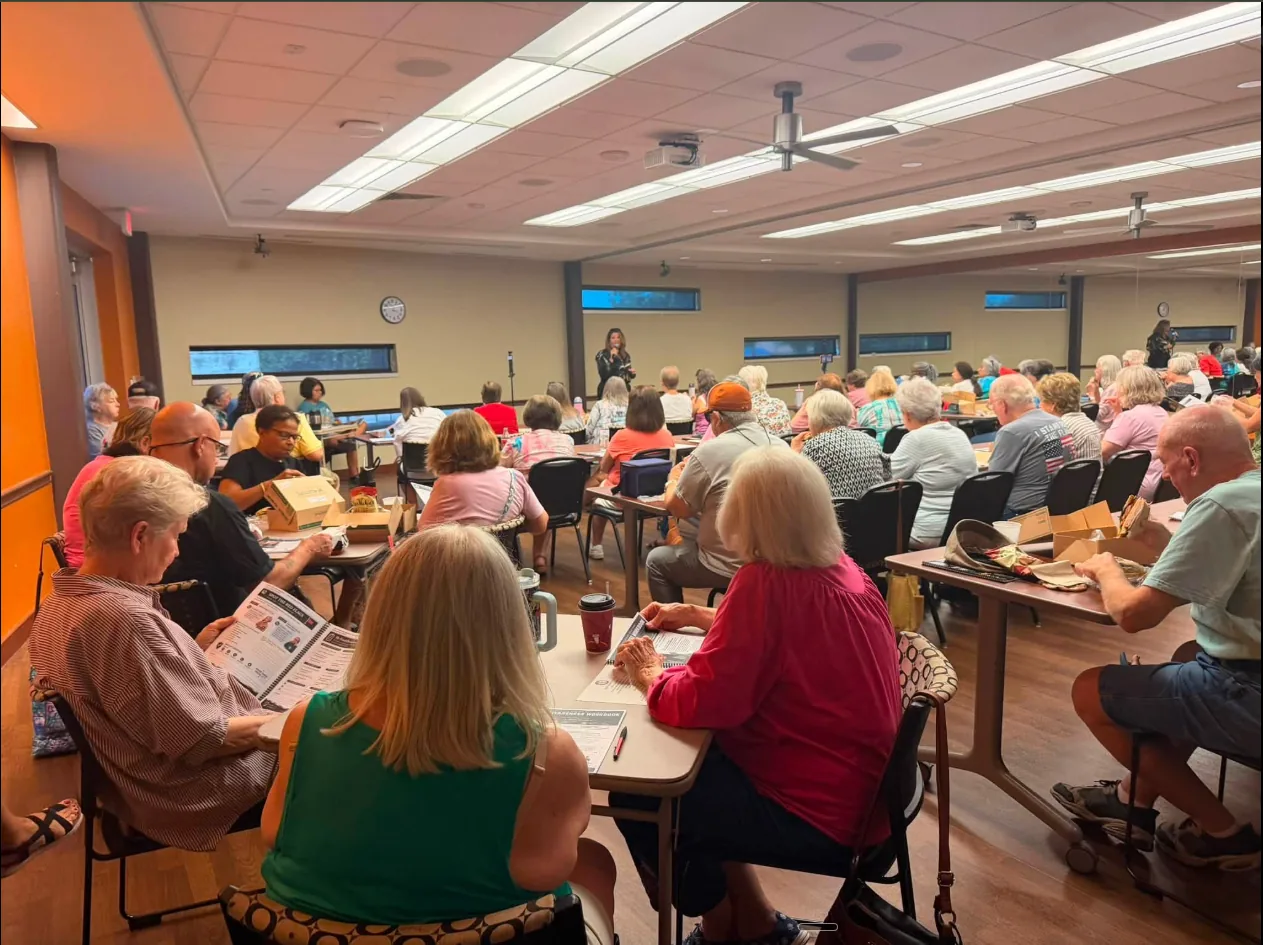
Scams almost always create urgency, ask for secrecy, and request an unusual form of payment — gift cards, wire transfers, cryptocurrency, or payment apps. A real agency, bank, or utility will never threaten you or rush you. Pause, hang up, and call the organization back using a number you look up yourself.
Stop all contact right away. Call your bank if money or account details were shared, write down what happened while it is fresh, and report it to the right agency. Reporting matters even when no money was lost, because it helps investigators see the pattern and warn others.
Yes. The Fraud Reporting Quick Guide is free, with no payment and no obligation. We ask for your name and email so we can email you a copy. You can also subscribe to our Fraud Spot newsletter for alerts on the latest scams — and unsubscribe at any time.
Silver Streak Senior Services is a directory and education service that helps seniors, families, and caregivers find vetted local providers and clear guidance. Our sister organization, Silver Streak Senior Solutions, is a Texas 501(c)(3) nonprofit that provides free fraud-prevention workshops and education.
Members receive a growing library of workbooks and guides, including the Fraud Awareness and Prevention Workbook and the Just-In-Case Plan. Sign in and open the member resources page to download everything included with your membership.
Workshops are run by our nonprofit, Silver Streak Senior Solutions. Visit SilverStreakSeniorSolutions.org to see upcoming sessions, request a workshop for your community, or sponsor one in your area.